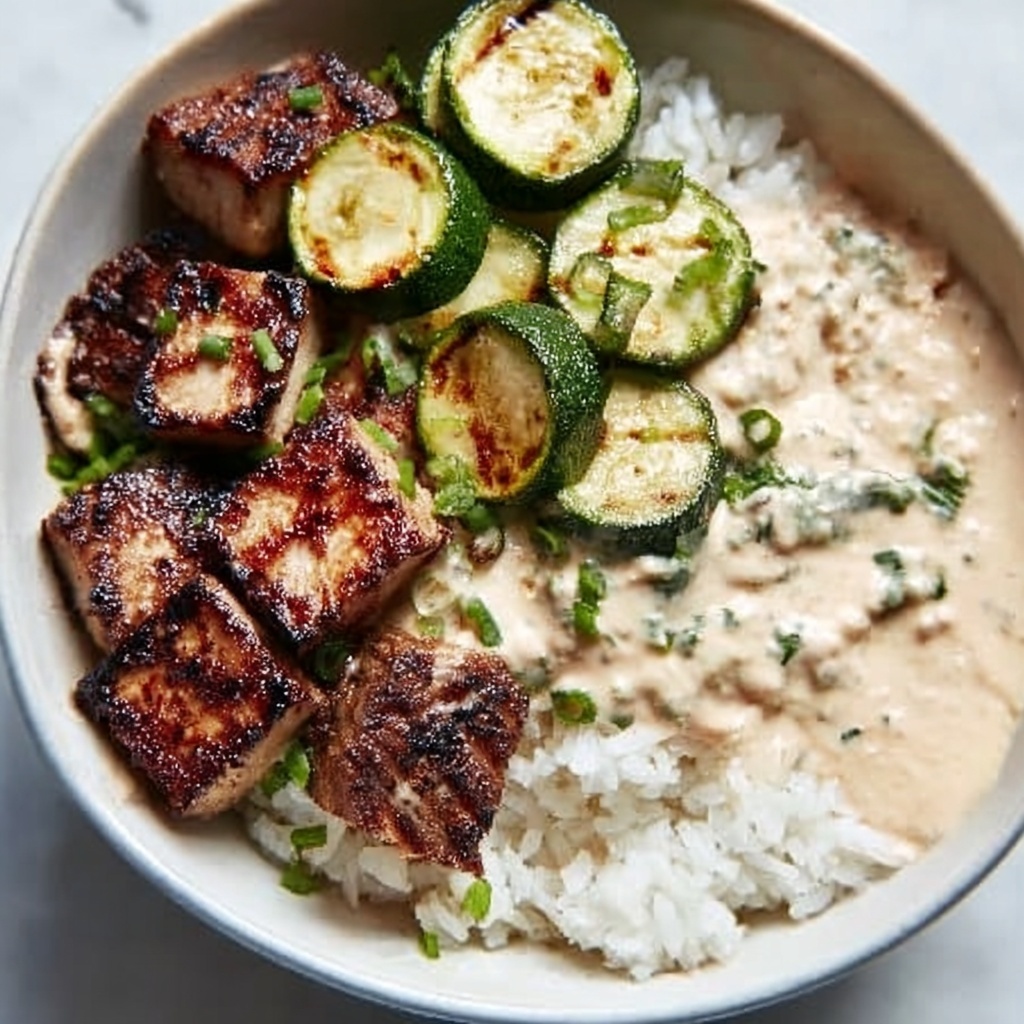
If you’re craving a meal that feels like a warm hug from your favorite Japanese steakhouse, then you have met your match with this Hibachi Bowls with Steak and Vegetables Recipe. Each bite bursts with tender, seared steak, crisp sautéed veggies, and a luscious homemade Japanese steak sauce that ties the dish together perfectly. This recipe brings that classic hibachi experience right into your kitchen, effortlessly blending savory, tangy, and toasted flavors onto a bed of fluffy steamed rice. It’s a crowd-pleaser that’s both comforting and elegant, perfect for weeknight dinners or impressing friends without fuss.
Ingredients You’ll Need
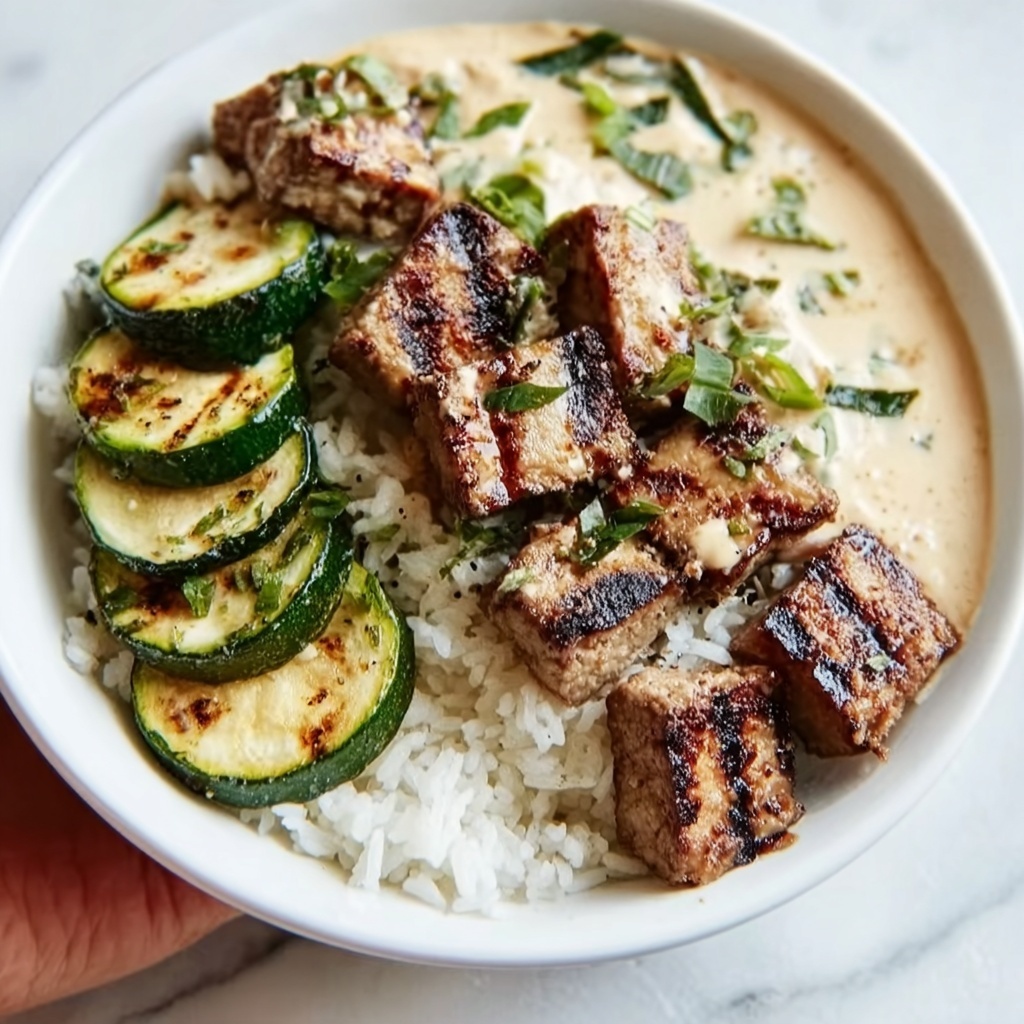
Gathering the right ingredients for this Hibachi Bowls with Steak and Vegetables Recipe is simpler than you might think. Each ingredient plays a vital role in building the dish’s signature flavor and texture—from the juicy steak cubes to the nutty toasted sesame seeds enhancing the steak sauce, every component brings something special to the table.
- 2 strip steaks, cut into 2-inch pieces: Choose well-marbled steaks for tender, juicy bites.
- Salt and pepper, to taste: Essential for seasoning the steak and bringing out natural flavors.
- 2 tbsp avocado oil, divided: A high smoke point oil ideal for searing the steak and sautéing veggies.
- 2 cups zucchini, diced: Adds a fresh, slightly sweet crunch and vibrant color.
- 2 cups mushrooms, halved: Earthy flavor and meaty texture that complements the steak.
- 1 white onion, diced: Sweetness and subtle sharpness that caramelizes beautifully.
- 1/4 cup toasted sesame seeds: Offers a deep nuttiness that’s key for the Japanese steak sauce.
- 2 tbsp chopped onion: Used in the sauce to enhance its savory base.
- 1 garlic clove: Provides an aromatic punch without overpowering.
- 1/4 cup soy sauce: The salty backbone of the steak sauce with umami depth.
- 1/4 cup water: Helps balance and lighten the sauce to the perfect consistency.
- 1 tsp rice vinegar: Adds a touch of acidity to brighten the sauce.
- 1 tsp mustard powder: Adds subtle warmth and complexity to the sauce.
- 1 cup avocado oil (for emulsifying): Slowly blended into the sauce for a smooth, rich texture.
- Steamed rice: The essential base that soaks up every flavorful component.
How to Make Hibachi Bowls with Steak and Vegetables Recipe
Step 1: Cook the Rice
Start by cooking your rice according to the package instructions. Use jasmine or sushi rice for that perfect sticky, fluffy texture which creates the ideal foundation for the bowl. Once cooked, set it aside and keep it warm so it’s ready to serve when your steak and veggies are done.
Step 2: Prepare the Japanese Steak Sauce
This sauce sets the flavor tone for the entire dish. In a blender, combine toasted sesame seeds, chopped onion, garlic clove, soy sauce, water, rice vinegar, and mustard powder. While blending on low speed, slowly drizzle in the avocado oil to emulsify the sauce into a smooth, creamy dressing. This homemade steak sauce is rich with umami and perfectly balances tang and nuttiness.
Step 3: Prep the Vegetables
Dice the white onion and zucchini, then halve the mushrooms. Keeping the vegetable sizes uniform helps them cook evenly and creates a lovely visual contrast in the bowl. These fresh veggies add both crunch and earthiness to complement the steak.
Step 4: Prep and Season the Steak
Take your strip steaks and pat them dry with paper towels to ensure a perfect sear. Cut into 2-inch cubes for bite-sized pieces and season generously with salt and pepper. This simple seasoning allows the natural beef flavor to shine through while enhancing the caramelized crust.
Step 5: Sauté the Vegetables
Heat 1 tablespoon of avocado oil in a large pan over medium-high heat. Add the diced onion, zucchini, mushrooms, and a couple of smashed garlic cloves. Sauté for about 6 minutes until the vegetables become tender-crisp, preserving their texture while unlocking their full flavor.
Step 6: Sear the Steak
In the same pan, add the remaining avocado oil and carefully place the steak cubes in a single layer. Sear them on each side for about 3 minutes, developing a golden brown crust while keeping the inside juicy and tender. This step builds the signature hibachi texture and flavor.
Step 7: Assemble the Bowls
To build your hibachi bowls, start with a generous scoop of steamed rice at the base. Top with the sautéed vegetables, then the perfectly seared steak cubes. Drizzle the homemade Japanese steak sauce all over and don’t forget to sprinkle with some extra toasted sesame seeds if you have them!
How to Serve Hibachi Bowls with Steak and Vegetables Recipe
Garnishes
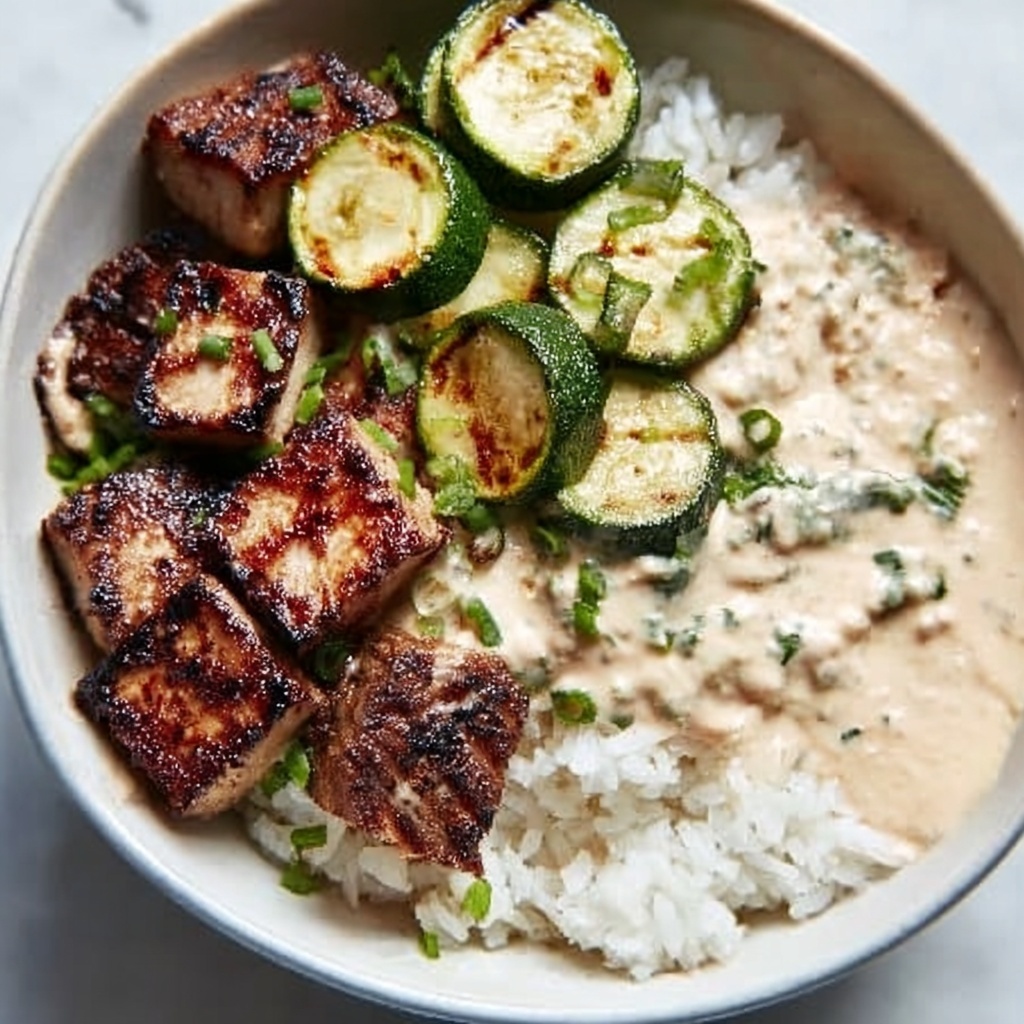
A sprinkle of toasted sesame seeds or a handful of chopped green onions adds a fantastic pop of flavor and color, making your bowls look as good as they taste. If you like some heat, a dash of sriracha or red pepper flakes works beautifully.
Side Dishes
Serve with a simple cucumber salad or miso soup to keep the meal balanced and fresh. Pickled ginger on the side can also cleanse the palate between bites and enhance the hibachi experience right at home.
Creative Ways to Present
For a fun twist, try serving your hibachi bowls in stylish bento boxes or stone bowls. Layering with avocado slices or adding a fried egg on top can elevate the dish into an even more indulgent and colorful feast.
Make Ahead and Storage
Storing Leftovers
After enjoying your Hibachi Bowls with Steak and Vegetables Recipe, store any leftovers in airtight containers in the refrigerator. The beef and veggies stay well for up to 3 days, making it an excellent option for quick lunches or dinners later in the week.
Freezing
While rice and vegetables can freeze well, steak is best enjoyed fresh to maintain its texture. If you must freeze, store the components separately and thaw slowly overnight in the fridge for the best results.
Reheating
Reheat your hibachi bowl gently in a skillet over medium heat to preserve the steak’s juiciness and the crispness of the vegetables. Avoid microwaving whenever possible, as it may turn the steak tough and veggies soggy.
FAQs
Can I use other cuts of steak for this recipe?
Absolutely! While strip steak is ideal for its tenderness and flavor, sirloin or ribeye also work wonderfully. Just adjust cooking times slightly depending on thickness.
Is there a vegetarian version of this Hibachi Bowls with Steak and Vegetables Recipe?
Yes! Swap the steak for firm tofu or tempeh, seared until golden. You can keep all the other elements and sauce the same for a satisfying vegetarian dish.
What type of rice works best for hibachi bowls?
Short-grain rice like sushi or jasmine rice provides the sticky texture perfect for hibachi bowls. It holds together well and soaks up the sauce beautifully.
Can I make the Japanese steak sauce ahead of time?
Definitely! The sauce can be prepared up to 2 days in advance and stored in the fridge. Give it a quick stir before serving to refresh the emulsion.
How spicy is this recipe?
This Hibachi Bowls with Steak and Vegetables Recipe is mild by default, focusing on savory and tangy flavors. You can always add chili flakes or a spicy sauce if you prefer some heat.
Final Thoughts
There is something so comforting and impressive about mastering the Hibachi Bowls with Steak and Vegetables Recipe at home. It’s not only flavorful but also versatile and wholesome, making it a true family favorite in the making. Give it a try and bring a little hibachi magic to your dining table—you might just find yourself making it again (and again!).
Print
Hibachi Bowls with Steak and Vegetables Recipe
- Prep Time: 10 minutes
- Cook Time: 30 minutes
- Total Time: 40 minutes
- Yield: 4 servings
- Category: Main Course
- Method: Stovetop
- Cuisine: Japanese-inspired
Description
This Hibachi Bowls with Steak and Vegetables recipe features tender seared strip steak, sautéed fresh vegetables, and a flavorful Japanese steak sauce served over steamed rice. Ready in just 40 minutes, it’s a delicious and satisfying meal that combines savory, tangy, and nutty flavors inspired by classic hibachi grilling techniques for an easy stovetop dinner at home.
Ingredients
Steak and Vegetables
- 2 strip steaks, cut into 2-inch pieces
- Salt and pepper, to taste
- 2 tbsp avocado oil, divided
- 2 cups zucchini, diced
- 2 cups mushrooms, halved
- 1 white onion, diced
- 2 smashed garlic cloves
Japanese Steak Sauce
- 1/4 cup toasted sesame seeds
- 2 tbsp onion, chopped
- 1 garlic clove
- 1/4 cup soy sauce
- 1/4 cup water
- 1 tsp rice vinegar
- 1 tsp mustard powder
- 1 cup avocado oil (for emulsifying)
Other
- Steamed rice, for serving
Instructions
- Cook the Rice: Prepare your rice according to the package instructions and set it aside, keeping it warm for serving.
- Prepare the Japanese Steak Sauce: In a blender, combine the toasted sesame seeds, chopped onion, garlic clove, soy sauce, water, rice vinegar, and mustard powder. Blend while slowly adding avocado oil to emulsify the sauce until smooth.
- Prep the Vegetables: Dice the onion and zucchini, and halve the mushrooms. Set these aside for sautéing.
- Prep and Season Steak: Pat the strip steak pieces dry with a paper towel, cut into 2-inch cubes, then season them evenly with salt and pepper.
- Sauté the Vegetables: Heat a pan over medium-high heat and add a portion of the avocado oil. Add the diced onion, zucchini, mushrooms, and smashed garlic cloves, sautéing until the vegetables are tender-crisp, about 6 minutes.
- Sear the Steak: In the same pan, add the remaining avocado oil if needed and sear the seasoned steak cubes until browned on all sides, approximately 3 minutes per side.
- Assemble the Bowls: Serve the steamed rice in bowls, top with the sautéed vegetables, seared steak, and drizzle with the Japanese steak sauce. Enjoy your homemade hibachi bowls!
Notes
- Use avocado oil for a higher smoke point and healthy fats in cooking and sauce emulsification.
- Make sure to pat the steak dry before searing to achieve better browning.
- The Japanese steak sauce can be made ahead and stored refrigerated for up to 3 days.
- Adjust seasoning of salt and pepper to taste during cooking.
- For vegetarian variation, replace steak with tofu or tempeh and use vegetable broth for flavor adjustments.