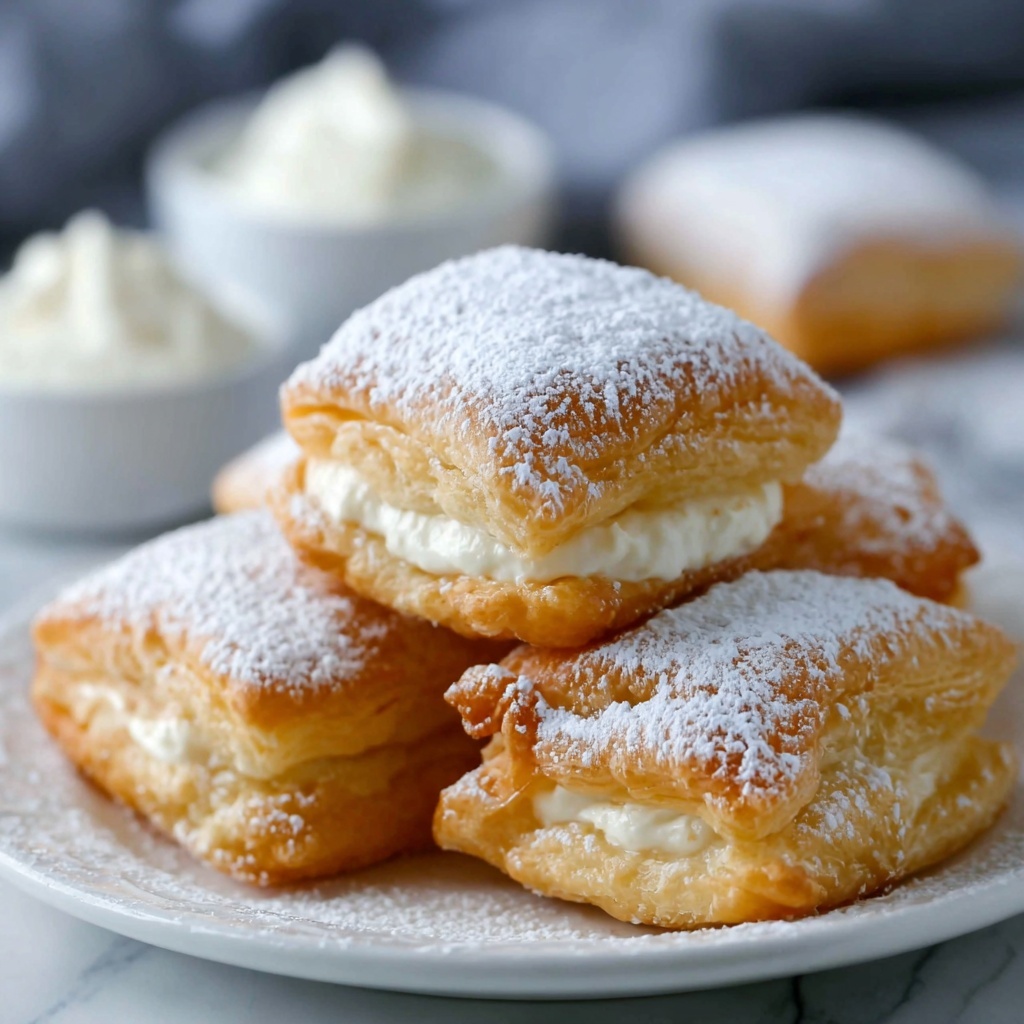
If you have ever dreamed of biting into a pillow-soft, sweet, and golden treat that feels like a warm hug, then this Vanilla French Beignets: A Delicious Recipe for Perfectly Fluffy Treats Recipe is just what your kitchen needs. These delightful little pillows of dough are crispy on the outside and melt-in-your-mouth fluffy on the inside, with a subtle hint of vanilla that elevates the classic beignet experience. Whether you’re making them for a cozy weekend breakfast or a festive gathering, this recipe combines simplicity and elegance, bringing that authentic French patisserie charm right to your table.
Ingredients You’ll Need
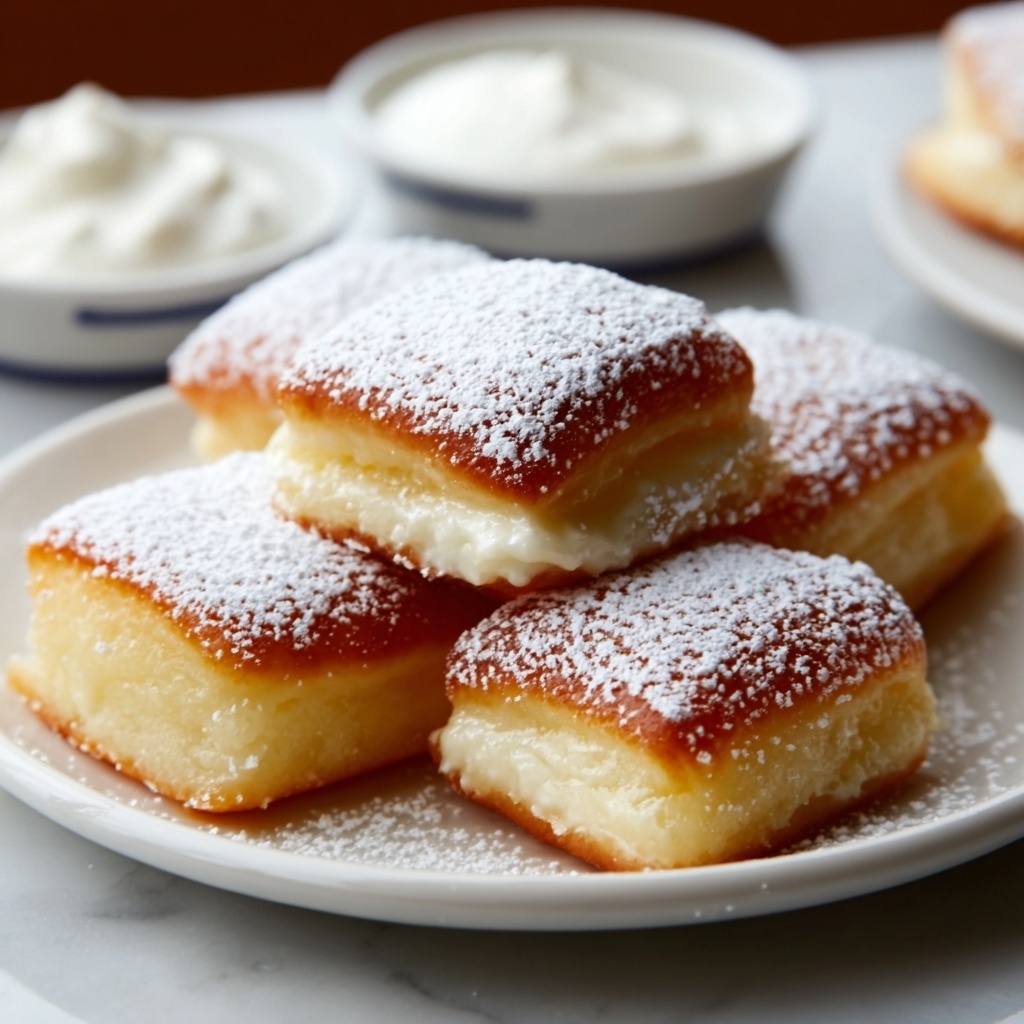
The magic of these Vanilla French Beignets lies in their perfectly balanced ingredients. Each one plays a crucial role in achieving that tender, airy texture and irresistible flavor. You don’t need anything fancy, just a handful of essentials that you likely already have in your pantry.
- Flour: The backbone of the dough, providing structure and body for the beignets.
- Sugar: Adds just the right amount of sweetness to complement the vanilla.
- Salt: Enhances the flavor and balances the sweetness beautifully.
- Yeast: The secret powerhouse that makes the dough rise into fluffy clouds.
- Milk: Adds moisture and richness for a soft, tender crumb.
- Eggs: Bind the ingredients and contribute to that delicate, light texture.
- Butter: Infuses richness and helps in achieving a golden, crispy exterior.
- Powdered sugar (for dusting): The classic finishing touch that adds sweetness and a lovely snowy look.
How to Make Vanilla French Beignets: A Delicious Recipe for Perfectly Fluffy Treats Recipe
Step 1: Preparing the Dough
Start by warming the milk gently—just until it’s lukewarm—to activate the yeast properly. In a large mixing bowl, combine the yeast with a bit of sugar and the warmed milk, then let it sit until it becomes foamy and lively. This little step guarantees your beignets will rise beautifully fluffy.
Step 2: Mixing the Ingredients
Once your yeast mixture looks bubbly, add in the eggs, melted butter, and vanilla extract for that unmistakable flavor. Slowly incorporate the flour, sugar, and salt, stirring until the dough starts coming together. You want a soft dough, slightly sticky but manageable, ready for the next rise.
Step 3: Letting the Dough Rise
Cover your bowl with a clean kitchen towel or plastic wrap, and place it in a warm spot. Patience is key here; let the dough rise until it doubles in size, usually about an hour. During this time, the yeast develops those beautiful air pockets that make each beignet delightfully fluffy.
Step 4: Shaping and Frying
Once risen, transfer the dough onto a well-floured surface and gently roll it out to about ¼ inch thickness. Cut into squares or classic beignet shapes. Heat your oil to around 350°F (175°C) and fry the pieces in batches, turning once until they puff up and turn golden. Drain on paper towels to keep them light and crisp.
Step 5: Dusting with Powdered Sugar
While still warm, dust your beignets generously with powdered sugar. This final step not only enhances sweetness but also gives your treats that iconic snowy finish that beckons you to take the first bite.
How to Serve Vanilla French Beignets: A Delicious Recipe for Perfectly Fluffy Treats Recipe
Garnishes
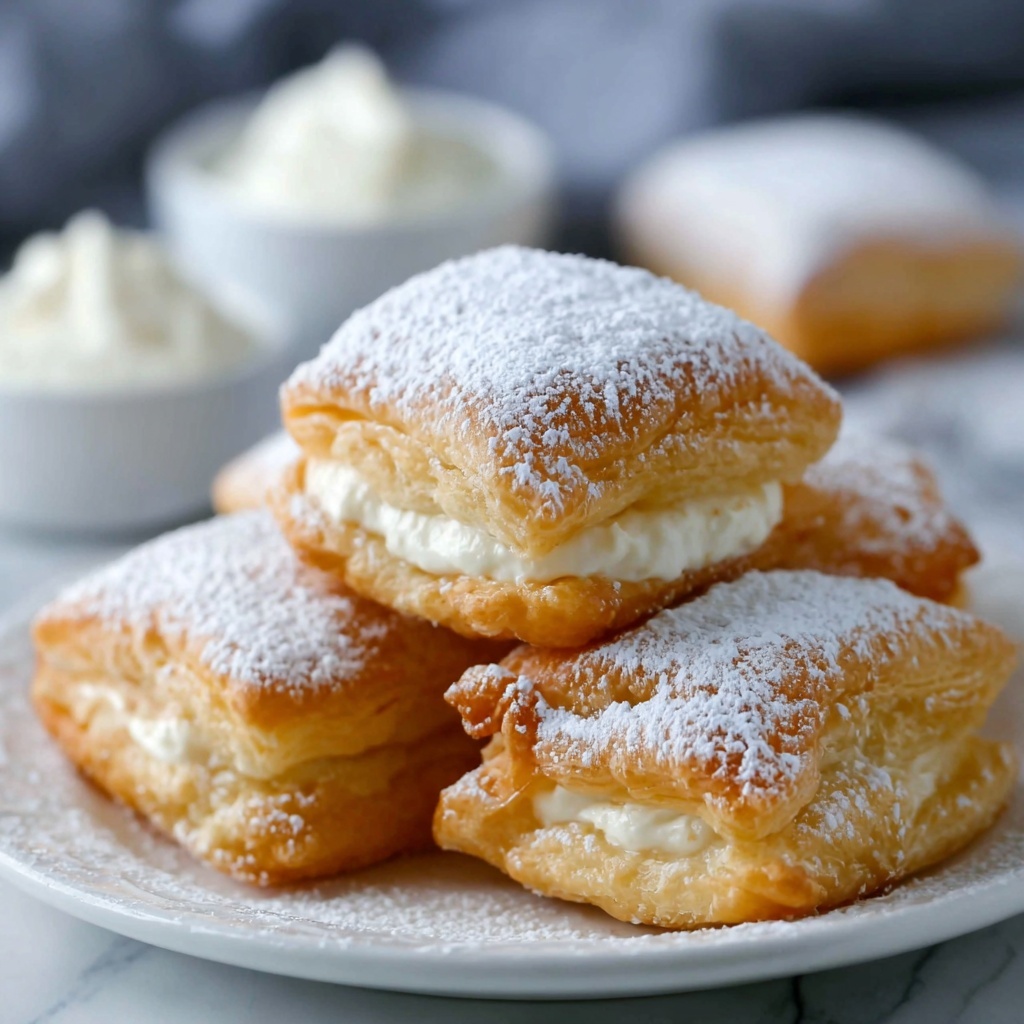
While powdered sugar is classic and irresistible, you can also add a drizzle of warm chocolate sauce or a sprinkle of cinnamon sugar to elevate the flavor profile. Fresh berries on the side add a refreshing contrast and a pop of color that makes your plate as pretty as your beignets are delicious.
Side Dishes
These beignets pair wonderfully with a steaming cup of coffee or rich hot chocolate, turning your snack into a full experience. If you’re serving them for brunch, consider fresh fruit salads or creamy yogurt parfaits, which balance the sweetness and add a variety of textures to your meal.
Creative Ways to Present
Try stacking your beignets in a rustic basket lined with parchment paper for a charming presentation, or serve them alongside small pots of flavored butters and fruit compotes for a playful twist. Serving them warm and fresh from the fryer will keep everyone coming back for more.
Make Ahead and Storage
Storing Leftovers
If you happen to have leftovers (though they rarely last long!), store them in an airtight container at room temperature for up to two days. To maintain their fluffiness, it’s best to enjoy them fresh, but a little care can help you savor them a bit longer.
Freezing
You can freeze unfried dough pieces by placing them on a baking sheet lined with parchment, then transferring them to a freezer bag once solid. When you’re ready to indulge, let them thaw and rise again slightly before frying. This method makes spontaneous beignet cravings totally doable.
Reheating
To bring day-old beignets back to life, pop them in a hot oven (about 350°F or 175°C) for 5 to 7 minutes. This refreshes their crispy exterior while warming the soft inside, reviving almost that fresh-from-the-fryer magic.
FAQs
Can I use instant yeast for this Vanilla French Beignets: A Delicious Recipe for Perfectly Fluffy Treats Recipe?
Yes, instant yeast can be used and even speeds up the rising process. Just sprinkle it directly into the dry ingredients and adjust resting times as needed. Your beignets will still turn out fluffy and delicious.
Is it possible to bake these beignets instead of frying?
Baking is a healthier alternative but will change the texture, making them less crisp and airy. For authentic beignets with that perfect crunch and puff, frying is highly recommended.
What type of oil is best for frying beignets?
Use a neutral oil with a high smoke point such as vegetable, canola, or peanut oil. They fry evenly and won’t impart unwanted flavors, giving your beignets a perfect golden crust.
How do I know when the oil is hot enough for frying?
Use a kitchen thermometer to keep the oil around 350°F (175°C). If you don’t have one, drop a small piece of dough in the oil—if it sizzles and rises to the surface quickly, you’re good to go.
Can I add different flavors to this Vanilla French Beignets: A Delicious Recipe for Perfectly Fluffy Treats Recipe?
Absolutely! Try incorporating spices like cinnamon or nutmeg in the dough, or add citrus zest for a fresh twist. Vanilla is classic, but the recipe is versatile enough to welcome your creative touches.
Final Thoughts
Making Vanilla French Beignets: A Delicious Recipe for Perfectly Fluffy Treats Recipe at home is like inviting a warm little piece of France into your kitchen. The process is joyful, the ingredients simple, and the results absolutely worth every minute spent. Once you try these beignets, their delicate crispness and soft vanilla-kissed centers will have you reaching for seconds and sharing happily with those you love. So, grab your apron and get ready to create a batch of fluffy magic that’s sure to brighten any day.
Print
Vanilla French Beignets: A Delicious Recipe for Perfectly Fluffy Treats Recipe
- Prep Time: 20 minutes
- Cook Time: 25 minutes
- Total Time: 45 minutes
- Yield: 12 servings
- Category: Dessert
- Method: Frying
- Cuisine: French, Creole
Description
These Vanilla French Beignets are perfectly fluffy, light, and sweet fried pastries dusted with powdered sugar. A traditional New Orleans-inspired treat, they combine a soft yeast dough with rich vanilla flavor and a delicate, airy texture, making them an irresistible dessert or snack.
Ingredients
Dough Ingredients
- 2 1/4 teaspoons active dry yeast (1 packet)
- 1 1/2 cups warm milk (around 110°F)
- 1/2 cup granulated sugar
- 1 teaspoon salt
- 2 large eggs
- 1 teaspoon vanilla extract
- 4 cups all-purpose flour, plus extra for dusting
- 6 tablespoons unsalted butter, softened
For Dusting
- Powdered sugar (for generous dusting)
Instructions
- Activate the Yeast: In a small bowl, dissolve the yeast in warm milk and let it sit for about 5-10 minutes until bubbly and foamy, indicating the yeast is active.
- Prepare the Dough: In a large mixing bowl, combine sugar, salt, eggs, and vanilla extract. Add the yeast mixture and stir to combine. Gradually add flour and butter, mixing until a soft dough forms.
- Knead the Dough: Turn dough onto a floured surface and knead for about 8-10 minutes until smooth and elastic. Alternatively, use a stand mixer with dough hook for about 5-7 minutes.
- First Rise: Place the dough in a lightly greased bowl, cover with a clean kitchen towel or plastic wrap, and let it rise in a warm place for approximately 1 to 1.5 hours, or until doubled in size.
- Roll and Cut Dough: Lightly flour your surface and roll the dough out to about 1/4 inch thickness. Use a sharp knife or pizza cutter to cut dough into 2-inch squares or rectangles.
- Second Rise: Place the cut dough pieces on a floured baking sheet, cover loosely, and let them rest for about 30 minutes to puff slightly.
- Heat Oil for Frying: In a deep heavy-bottomed skillet or deep fryer, heat vegetable oil to 350°F (175°C). Ensure you have about 2-3 inches of oil for frying.
- Fry the Beignets: Carefully drop a few dough pieces at a time into the hot oil. Fry each side for about 2-3 minutes or until puffed and golden brown. Use a slotted spoon to turn them midway for even frying.
- Drain and Cool: Remove the beignets and place them on paper towels to drain excess oil.
- Dust with Powdered Sugar: While still warm, generously dust the beignets with powdered sugar.
- Serve Warm: Enjoy the beignets fresh and warm, savoring their light, fluffy texture and sweet vanilla flavor.
Notes
- Ensure the oil temperature stays consistent at 350°F for even frying and to prevent greasy beignets.
- Do not overcrowd the frying pan as it will reduce the oil temperature and result in soggy beignets.
- If you don’t have a thermometer, test the oil by dropping a small piece of dough; it should bubble and rise to the surface quickly.
- Beignets are best enjoyed fresh but can be reheated briefly in a warm oven.
- For a richer flavor, consider adding a splash of rum or orange flower water to the dough.