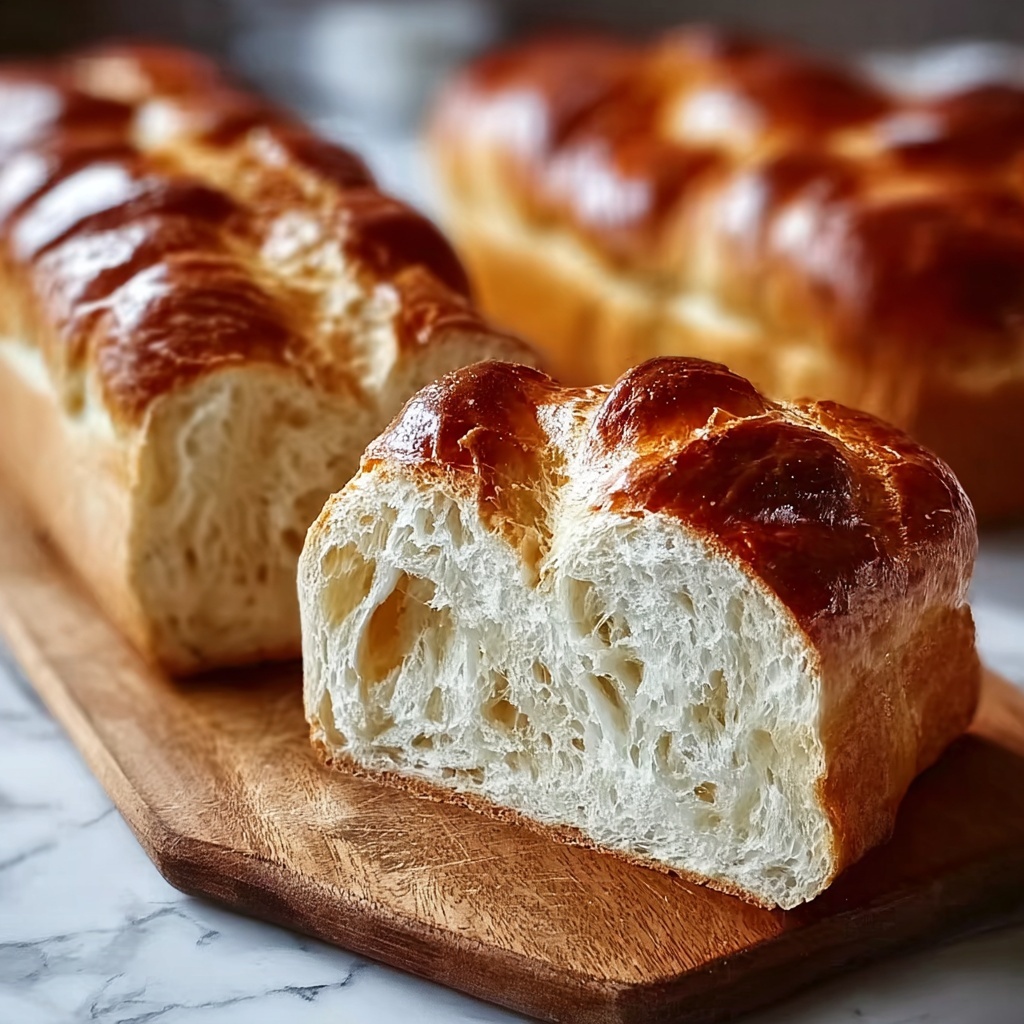
If you have ever dreamed of baking that perfect bakery-style loaf in your own kitchen, this Soft Fluffy French Bread Recipe is exactly what you need. It produces a delightfully tender crumb wrapped in a lightly golden crust, soft enough to enjoy on its own or as the ideal vessel for any topping. Every bite is a comforting hug, thanks to simple ingredients that come together through an easy, rewarding process. Whether you’re a novice or a seasoned baker, this recipe will quickly become your trusted go-to for satisfying, homemade French bread that will impress family and friends alike.
Ingredients You’ll Need
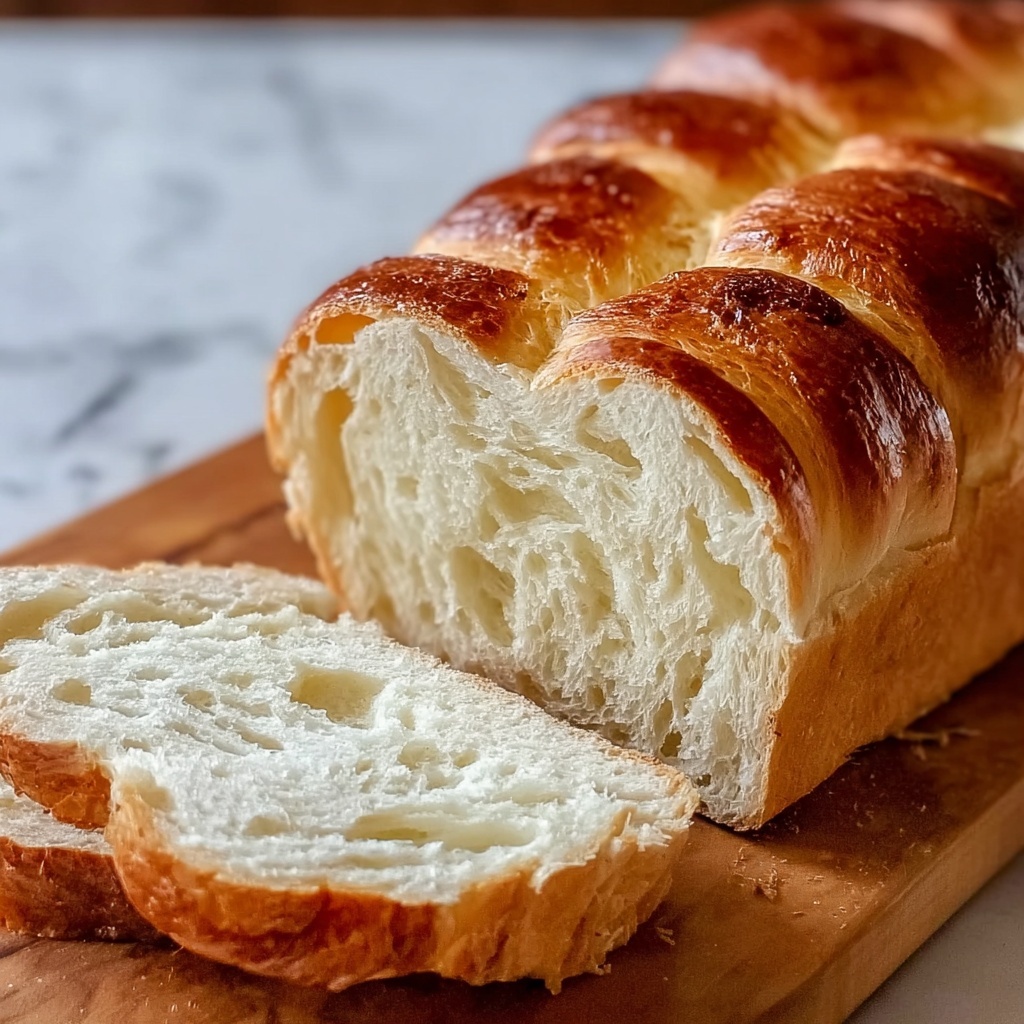
Gathering just a handful of pantry staples, this bread relies on fundamental ingredients that each play a crucial role in crafting its signature softness, lovely texture, and subtle flavor. Every component is simple yet essential for the magic that follows.
- All-purpose flour (2.5–3 cups): The foundation of our dough, providing structure and chewiness, with a little extra for kneading as needed.
- Warm water (1 cup): Activates the yeast and helps form the dough, making everything soft and pliable.
- Olive oil or vegetable oil (1 tablespoon): Adds moisture and tenderness to the crumb, keeping the bread delightfully soft.
- White granulated sugar (1 tablespoon): Feeds the yeast and adds a hint of sweetness that balances the flavors.
- Salt (1 teaspoon): Enhances all the flavors and controls yeast activity for a perfect rise.
- Active dry yeast (2 teaspoons): Responsible for the airy, fluffy texture by causing the dough to rise beautifully.
- Egg (1, beaten): Used for brushing the top, creating a shiny, golden crust that’s irresistible.
How to Make Soft Fluffy French Bread Recipe
Step 1: Activate the Yeast
Start by combining the warm water and sugar in a small bowl. Sprinkle the yeast over the surface and let it sit undisturbed for about 10 minutes until it becomes frothy. This step wakes up the yeast and ensures it’s alive and ready to give your bread that incredible rise.
Step 2: Mix Dry Ingredients
In a large mixing bowl, whisk together 2.5 cups of flour and the salt. Stirring this upfront distributes the salt evenly, which is key for even flavor and proper yeast activity later on.
Step 3: Combine Wet and Dry Ingredients
Create a well in the center of the flour mixture and pour in the yeast mixture along with the olive oil. Begin stirring gently until the dough starts to form. It will be sticky at first—that’s exactly what you want!
Step 4: Knead the Dough
Turn your dough out onto a floured surface. Knead it vigorously for 8 to 10 minutes, adding flour as needed if the dough is too sticky. The goal is to get a smooth, elastic dough that bounces back when poked—a sign it’s ready to rise.
Step 5: First Rise
Lightly oil a large bowl and place the dough inside, turning it once to coat it with oil. Cover with a damp cloth and set it in a warm spot to rise for about 1 hour, or until it has doubled in size. This develops flavor and that soft crumb texture.
Step 6: Shape and Second Rise
Gently punch down the risen dough to release air bubbles, then shape it into a traditional loaf form. Place it on a parchment-lined baking sheet, cover it loosely, and let it rise again for 30 minutes. This second rise is crucial for a light, fluffy loaf.
Step 7: Preheat Oven and Prepare Egg Wash
While the dough is rising, preheat your oven to 375°F (190°C). Just before baking, brush the surface of the loaf with the beaten egg to give it a beautiful glossy golden finish once baked.
Step 8: Bake
Bake the bread for 20 to 25 minutes. You’ll know it’s done when the crust is a warm, golden brown and you hear a hollow sound when you tap the bottom of the loaf. That crisp exterior is the perfect contrast to the soft inside.
Step 9: Cool
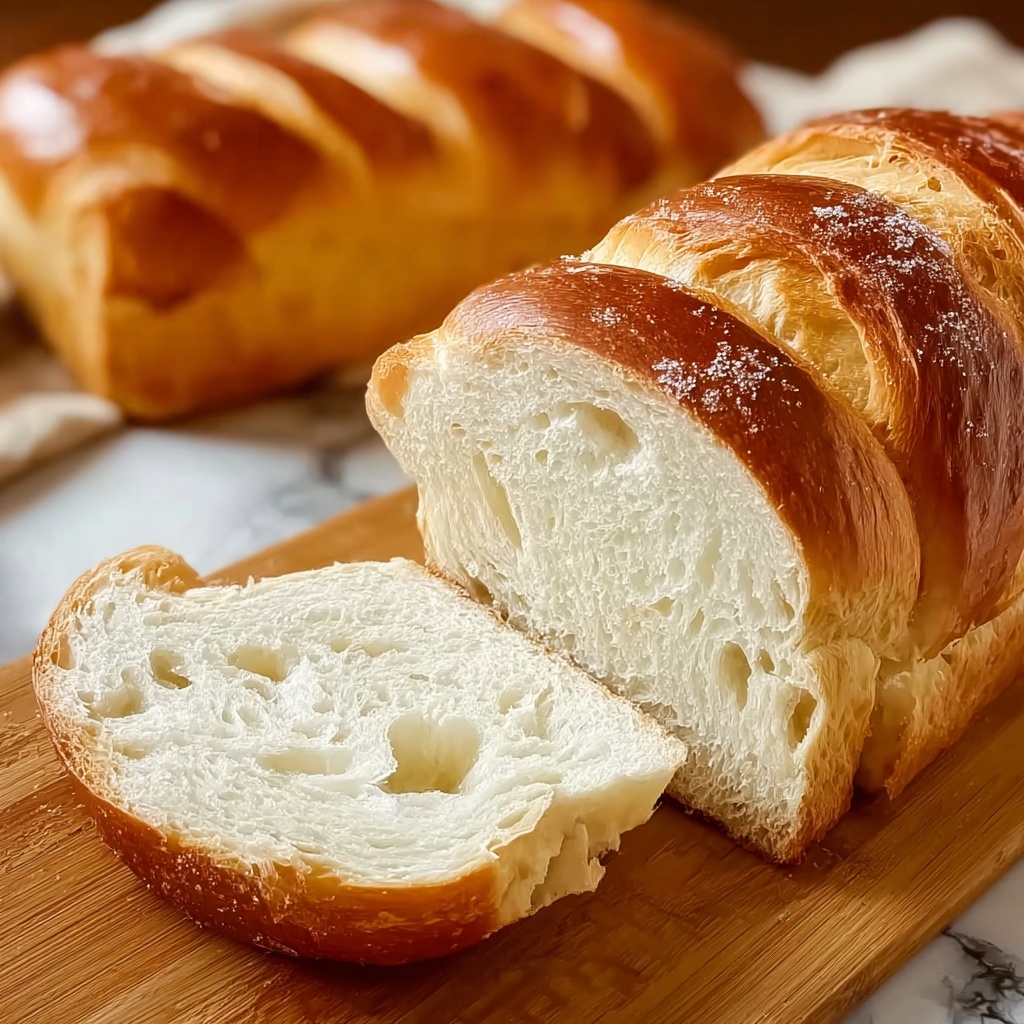
Allow your fresh loaf to cool on a wire rack before slicing. This resting time helps set the crumb structure and makes slicing clean and easy—no gummy bread here!
How to Serve Soft Fluffy French Bread Recipe
Garnishes
A simple sprinkle of flaky sea salt or a brush of garlic-infused butter on top just after baking can elevate your French bread to extraordinary savory elegance. Fresh herbs like rosemary or thyme also pair wonderfully when sprinkled before baking or after slicing.
Side Dishes
This bread is a dream alongside soups like creamy tomato basil or hearty beef stew, offering a perfect vehicle for soaking up those rich flavors. It also pairs beautifully with charcuterie boards, cheeses, or even a fresh salad for a lighter meal.
Creative Ways to Present
Try slicing your loaf and creating mini bruschettas with fresh tomatoes, basil, and a drizzle of balsamic glaze. Or hollow out the center to create a rustic bread bowl for dips and spreads, adding an interactive and fun element to any gathering.
Make Ahead and Storage
Storing Leftovers
Wrap leftover French bread tightly in plastic wrap or place it in a sealed container to keep it soft and moist at room temperature for up to 2 days. Avoid refrigerating as it can dry out the bread faster.
Freezing
If you want to keep your bread longer, slice it and freeze in a zip-top bag. This way, you can take out just what you need. Wrapped tightly, it will maintain its soft texture for up to 3 months.
Reheating
To bring your bread back to life, warm slices in a toaster or oven at 350°F (175°C) for about 5–7 minutes. You’ll enjoy a crusty outside with the same soft fluffy inside that made this Soft Fluffy French Bread Recipe so wonderful originally.
FAQs
Can I use instant yeast instead of active dry yeast?
Yes! Instant yeast can be used with the same amount and can be mixed directly into the flour. Just skip the activation step with warm water and sugar, but you might want to slightly adjust the water amount since instant yeast absorbs liquid differently.
Why is my bread not rising well?
There could be several reasons: your yeast might be expired or the water temperature was too hot or too cold. Make sure your water is warm, around 100°F to 110°F, to properly activate the yeast for the best rise.
Can I make this bread with whole wheat flour?
Absolutely! Using whole wheat flour will lend a nuttier flavor and denser texture. You might want to substitute only half the all-purpose flour to keep it fluffy, and increase the water slightly as whole wheat flour absorbs more liquid.
What if I don’t have olive oil?
Vegetable oil, canola oil, or any neutral flavored oil work perfectly as a substitute. The oil helps keep the crumb moist and tender, so don’t skip this ingredient.
How do I get a crispier crust?
Brushing the loaf with egg wash helps a lot, but for an even crispier crust, try placing a small pan of hot water on the oven floor during the first 10 minutes of baking. The steam helps create that signature crusty shell.
Final Thoughts
Baking your own Soft Fluffy French Bread Recipe is truly a rewarding experience that fills your home with mouthwatering aromas and results in a loaf you’ll be proud to share. It’s approachable, dependable, and truly delicious—perfect for elevating everyday meals or special occasions. Give it a try and enjoy the warm comfort of homemade French bread like you never thought possible.
Print
Soft Fluffy French Bread Recipe
- Prep Time: 20 minutes
- Cook Time: 25 minutes
- Total Time: 1 hour 45 minutes
- Yield: 1 loaf (approximately 1 lb)
- Category: Bread
- Method: Baking
- Cuisine: French
Description
This Soft Fluffy French Bread recipe delivers a classic, tender loaf with a golden crust and airy interior. Perfect for sandwiches or as a side with your favorite meals, this homemade bread uses simple ingredients and straightforward techniques, including yeast activation, kneading, and baking to create bakery-quality results in your own kitchen.
Ingredients
Dry Ingredients
- 2.5–3 cups all-purpose flour
- 1 tablespoon white granulated sugar
- 1 teaspoon salt
- 2 teaspoons active dry yeast
Wet Ingredients
- 1 cup warm water
- 1 tablespoon olive oil or vegetable oil
- 1 egg, beaten (for brushing the top)
Instructions
- Activate the Yeast: In a small bowl, combine warm water and sugar. Sprinkle yeast over the top and let it sit for 10 minutes until frothy to ensure the yeast is active and ready to leaven the bread.
- Mix Dry Ingredients: In a large mixing bowl, combine 2.5 cups of flour and salt. Stir them together to evenly distribute the salt throughout the flour.
- Combine Wet and Dry Ingredients: Make a well in the center of the flour mixture and pour in the yeast mixture and olive oil. Stir until the dough begins to come together into a shaggy mass.
- Knead the Dough: Transfer the dough to a floured surface. Knead for 8–10 minutes, adding more flour if necessary, until the dough is smooth, elastic, and no longer sticky.
- First Rise: Place the kneaded dough in a lightly oiled bowl. Cover with a damp cloth and let it rise in a warm place for 1 hour or until the dough has doubled in size.
- Shape and Second Rise: Punch down the dough to release air bubbles. Shape it into a loaf and place it on a parchment-lined baking sheet. Cover and let it rise for another 30 minutes to develop volume.
- Preheat Oven and Prepare Egg Wash: Preheat your oven to 375°F (190°C). Brush the loaf with the beaten egg to create a shiny, golden crust during baking.
- Bake: Bake the bread for 20–25 minutes until it turns golden brown and sounds hollow when tapped on the bottom, signaling it’s fully cooked.
- Cool: Remove the bread from the oven and transfer it to a wire rack to cool completely before slicing, which helps preserve its texture.
Notes
- Use warm water (about 110°F or 43°C) to activate the yeast without killing it.
- Check that your yeast is fresh for the best rise; expired yeast may prevent the dough from rising.
- If the dough is too sticky during kneading, add flour a tablespoon at a time, but avoid adding too much to keep the bread soft.
- Allow the bread to cool completely before slicing to maintain a fluffy crumb.
- You can substitute olive oil with vegetable oil if preferred.