“`html
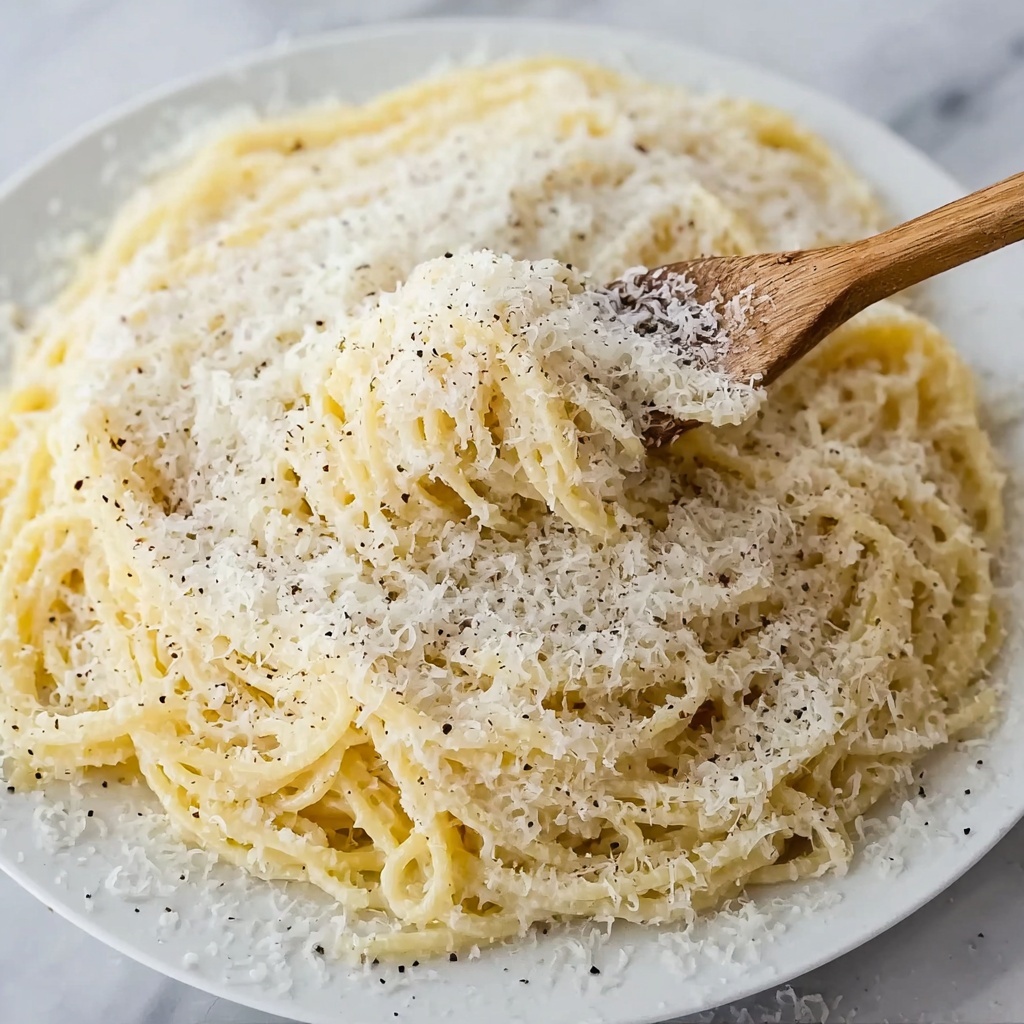
There is a timeless magic in the way just a few humble ingredients can come together to create something unforgettable. The Classic Italian Cacio e Pepe Recipe is a shining example of this culinary brilliance—celebrating the perfect balance of creamy Pecorino Romano cheese and the pungent warmth of freshly cracked black pepper tossed with al dente pasta. This dish feels like a warm hug from Rome itself, a simple yet elegant celebration of textures and flavors that never fails to impress. Whether you’re looking for a quick weeknight dinner or a crowd-pleasing entrée, this classic Italian masterpiece has your back with its soul-satisfying simplicity and irresistible taste.
Ingredients You’ll Need
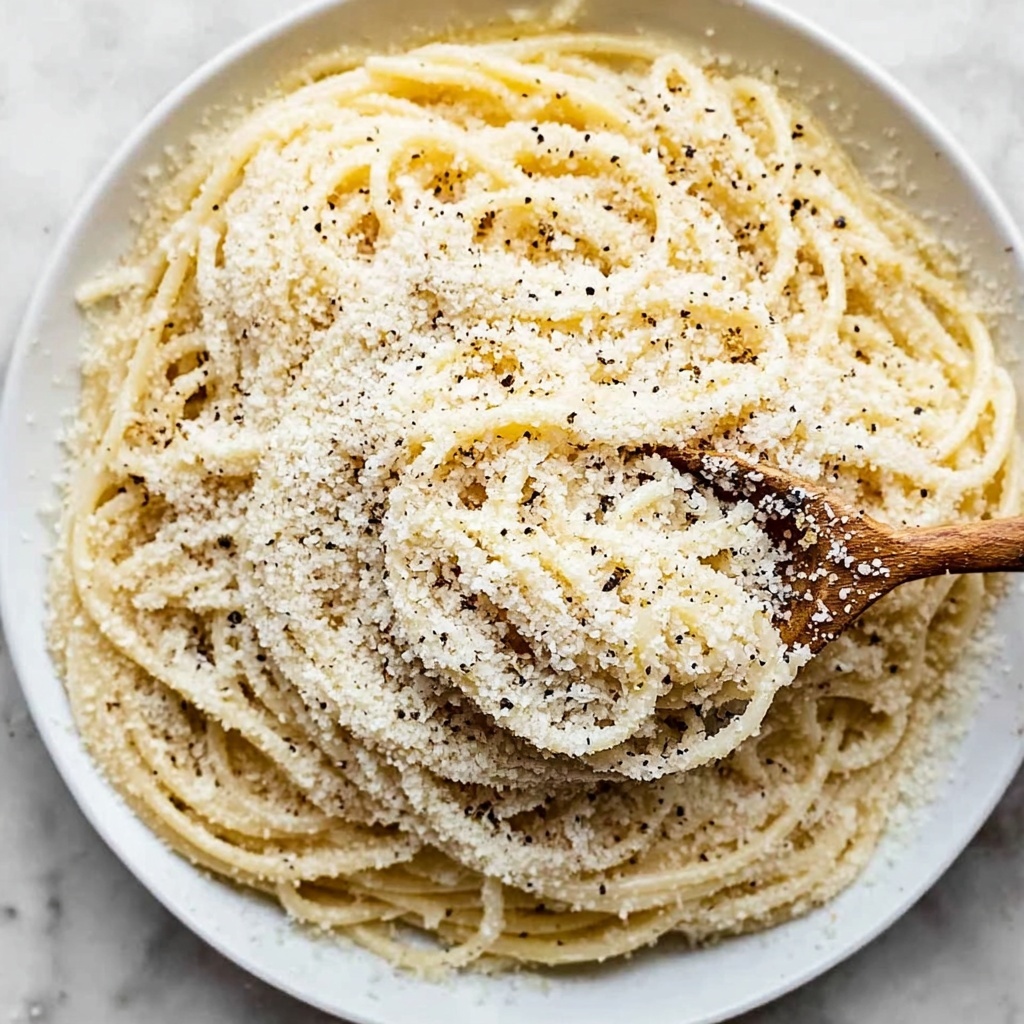
The beauty of this recipe lies in how every ingredient plays a crucial role despite the simplicity. Each element, from the salty Pecorino Romano to the zesty black pepper, combines to create that silky, peppery sauce that clings lovingly to every strand of pasta. Prepare to gather just a handful of essentials that promise maximum impact.
- 12 ounces spaghetti or tonnarelli: Choose these long, thin pastas for the ideal texture that carries the sauce beautifully.
- 1 1/2 cups finely grated Pecorino Romano cheese: Finely grate for a creamy, smooth melt that’s essential to the sauce’s richness.
- 2 teaspoons freshly cracked black pepper: Toast it lightly to unleash its bold, aromatic flavor that defines the dish.
- 2 tablespoons unsalted butter (optional): Add this for extra silkiness and depth, though traditionally it’s omitted.
- Salt for pasta water: Season generously to ensure perfectly flavored pasta from the inside out.
How to Make Classic Italian Cacio e Pepe Recipe
Step 1: Cook the Pasta to Al Dente Perfection
Start by bringing a large pot of salted water to a rolling boil. Adding salt here is your first flavor layer; it should taste like the sea. Cook your spaghetti or tonnarelli until al dente, meaning just tender with a bit of bite. Before you drain the pasta, carefully reserve about 1 cup of the cooking water—this starchy liquid is key to crafting your luscious sauce.
Step 2: Toast the Black Pepper to Awaken its Aroma
While the pasta bubbles away, warm a large skillet over medium heat and toast the freshly cracked black pepper for about 30 seconds. This quick step unlocks the pepper’s vibrant, smoky notes and makes the whole dish burst with flavor. Keep an eye on it as burnt pepper would add bitterness instead of brightness.
Step 3: Combine Pasta and Pepper
Lower the heat to low, then toss the drained pasta right into the skillet with the toasted pepper. Stir well to evenly coat every strand in its spicy warmth—this is where the magic truly begins as simple ingredients start to meld together.
Step 4: Create the Creamy Cheese Sauce
Sprinkle the finely grated Pecorino Romano bit by bit over the pasta while tossing vigorously. Slowly add reserved pasta water a few tablespoons at a time as you stir; this emulsifies the cheese with the starchy water to form that signature silky sauce. Work quickly to avoid clumps and ensure every bite is perfectly velvety.
Step 5: Add the Finishing Butter (Optional)
For an extra touch of indulgence, stir in 2 tablespoons of unsalted butter off heat. This enriches the sauce and gives a subtle plush texture without overpowering the pepper’s punch. Remember, a pure traditional recipe skips the butter for a lean but equally delicious finish.
Step 6: Serve Immediately
Once your pasta is luxuriously coated, plate it up without delay—this dish waits for no one! Immediate serving guarantees all the creamy goodness is at its peak and the pepper aroma remains irresistible.
How to Serve Classic Italian Cacio e Pepe Recipe
Garnishes
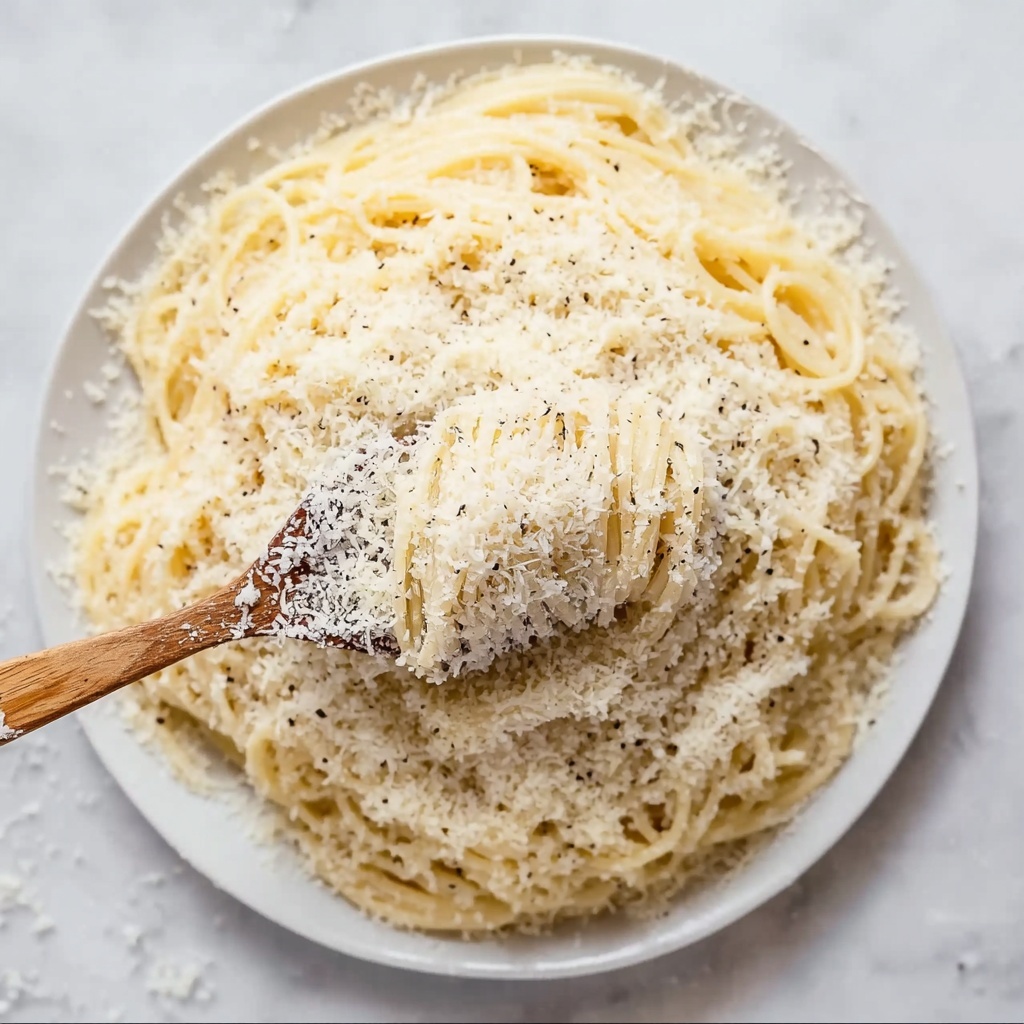
A little goes a long way when garnishing this dish. Sprinkle an extra pinch of freshly cracked black pepper and a light dusting of Pecorino Romano to bring bright, sharp notes and an appealing visual contrast. These simple touches highlight the depth of flavor and invite your guests to enjoy the rustic elegance of this Italian classic.
Side Dishes
Keep it light and complementary to let the pasta shine. A crisp mixed green salad with a lemon vinaigrette balances the richness wonderfully, or perhaps some roasted cherry tomatoes to add sweetness and acidity. Garlic bread or a crusty baguette works perfectly to soak up any extra sauce, rounding out a meal that feels both satisfying and well composed.
Creative Ways to Present
Elevate your presentation by serving the pasta in shallow bowls, allowing the creamy sauce to pool slightly and inviting your diners to twirl each forkful with delight. Garnish with a sprig of fresh parsley or basil for a pop of color. For a party, consider small individual portions in elegant ramekins—making every plate feel like a personal celebration of the Classic Italian Cacio e Pepe Recipe.
Make Ahead and Storage
Storing Leftovers
Because Cacio e Pepe is best fresh, leftovers should be stored carefully to preserve texture and flavor. Transfer any extra pasta to an airtight container and refrigerate for up to two days. When storing, avoid over-salting initially to prevent the dish from becoming too intense after chilling.
Freezing
Freezing is not recommended for this dish as the delicate cheese sauce tends to separate and lose its creamy consistency when thawed. For best results, enjoy the Classic Italian Cacio e Pepe Recipe freshly cooked or refrigerate and consume soon after.
Reheating
Reheat gently on the stovetop over low heat, adding a splash of warm water to help revive the sauce’s creamy texture. Stir constantly until warmed through. Avoid microwaving if possible, as this can easily dry out the pasta and break the sauce.
FAQs
What type of cheese is best for cacio e pepe?
The best cheese for cacio e pepe is finely grated Pecorino Romano, a salty and tangy hard cheese that melts into a wonderfully creamy sauce. Using it finely grated helps achieve a smooth texture without clumping.
Can I use black pepper from a grinder instead of cracked pepper?
Freshly cracked black pepper is preferred because it releases more aromatic oils and has a coarser texture that complements the dish. Using pre-ground pepper will work in a pinch but won’t deliver the same bold, fragrant impact.
Is butter traditional in Classic Italian Cacio e Pepe Recipe?
Butter is not traditionally used in the classical recipe; however, adding it is a popular optional step for those who like a slightly richer, silkier sauce. Both versions are delicious, so feel free to tailor the recipe to your taste.
What pasta shape works best?
Spaghetti and tonnarelli are the traditional pastas for cacio e pepe, as their long, thin shape allows the sauce to cling well. Using other pasta shapes can work but may alter the texture experience of the classic dish.
Why reserve pasta water?
Reserving pasta water is crucial because its starchy content helps emulsify the cheese and pepper into a creamy coating rather than a clumpy mess. This water also helps adjust the sauce’s consistency perfectly.
Final Thoughts
Once you try the Classic Italian Cacio e Pepe Recipe, you’ll understand why it holds a special place in the hearts of Italian food lovers everywhere. It’s a dish that proves simplicity can be extraordinary when every ingredient shines and is prepared with care. So grab your Pecorino, crack some pepper, and treat yourself to a soulful, quick pasta perfect for any occasion—you might just find this becomes one of your all-time favorites too!
“`
Print
Classic Italian Cacio e Pepe Recipe
- Prep Time: 5 minutes
- Cook Time: 12 minutes
- Total Time: 17 minutes
- Yield: 4 servings
- Category: Main Course
- Method: Stovetop
- Cuisine: Italian
- Diet: Vegetarian
Description
Classic Italian Cacio e Pepe is a simple yet delicious pasta dish made with spaghetti, Pecorino Romano cheese, and freshly cracked black pepper. This recipe showcases the beauty of minimal ingredients, creating a creamy, peppery sauce that perfectly coats the pasta. Ideal for a quick weeknight meal, it highlights traditional Italian flavors with easy preparation.
Ingredients
Main Ingredients
- 12 ounces spaghetti or tonnarelli
- 1 1/2 cups finely grated Pecorino Romano cheese
- 2 teaspoons freshly cracked black pepper
- 2 tablespoons unsalted butter (optional)
- Salt for pasta water
Instructions
- Cook Pasta: Bring a large pot of salted water to a boil. Add the spaghetti or tonnarelli and cook until al dente, approximately 8 to 10 minutes. Reserve 1 cup of the pasta cooking water before draining the pasta.
- Toast Pepper: In a large skillet or pan, heat over medium heat and toast the freshly cracked black pepper for about 30 seconds. This step releases the pepper’s aroma and flavor.
- Toss Pasta with Pepper: Reduce heat to low and add the drained pasta to the skillet. Toss the pasta continuously to coat evenly with the toasted pepper.
- Add Cheese and Emulsify Sauce: Gradually sprinkle in the finely grated Pecorino Romano cheese while tossing constantly. Slowly add reserved pasta water a little at a time to help the cheese melt and emulsify into a creamy sauce that coats the pasta thoroughly.
- Add Butter (Optional): Stir in 2 tablespoons of unsalted butter if you desire extra richness and a smoother texture in the sauce.
- Serve: Immediately serve the pasta, garnished with additional freshly cracked black pepper and grated cheese if desired for extra flavor and presentation.
Notes
- Use finely grated Pecorino Romano cheese for a smooth and creamy sauce without clumps.
- Work quickly when adding cheese while tossing pasta to prevent the cheese from clumping.
- The reserved pasta water is crucial for emulsifying the sauce and achieving the perfect creamy texture.
- For a traditional authentic version, omit the butter.